|
ELECTRONIC MAGAZINE OF WRITING Copyright
©
The Writers Post
1999-2006. Nothing in this website may be downloaded, distributed, or reproduced without the permission of the author/ translator/ artist/ and The Writers Post. Creating links to place The Writers Post or any of its pages within other framesets or in other documents is copyright violation, and is not permitted. ISSN 1527-5469
– US-based, founded 1999. Founder
& Editor: N. Saomai |
|
|
Current
issue: VOLUME 8 -NUMBER 1 JAN 2006
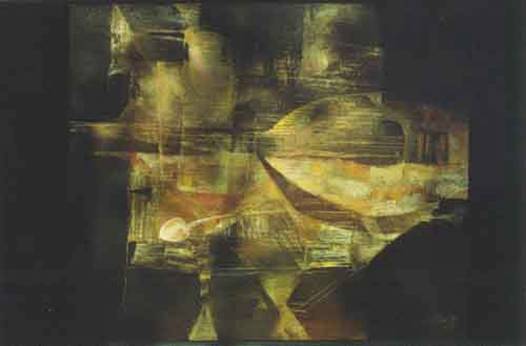
Guitar and Lotus - Oil on canvas - 50x70 cm
-----> Cover art Guitar and Lotus - Oil on canvas TWP’s sister
magazine: WORDBRIDGE
(ISSN: 1540-1723). WORDBRIDGE, established 2002 by N. Saomai, published in the US, the first
English-language literary magazine from the Vietnamese literary community, is a magazine of literature in translation, and a magazine for
literary works of quality originally written in English by established and
new writers, edited by the same editor of the Song-Van (ISSN: 1089-8123) and
The Writers Post (ISSN: 1527-5469). Wordbridge contains selected literary pieces in a variety
of genres: fiction (short stories, excerpts from unpublished novel), poetry
(rhymed poems, free verse), translations, reviews, literary critiques, and
essays on literature and art.
N.
SAOMAI, WORDBRIDGE, PREMIER ISSUE, SPRING 2002: “Wordbridge is a magazine of literature
and literature in translation. Its aim is nothing less than to bring to the
reader literary works from established and new writers, in the original
language and in translation. Its part in translation is to introduce a
foreign literature to those who appreciate not only the enjoyment of reading,
but also the knowing and understanding of other cultures. The magazine is
published biannually. It features selected pieces in a variety of genres, and
will include¾ apart from its
main contents, reviews, criticism, and essays. For the past two years I've had the
opportunity to introduce to the online reader some English translations of
fiction and poetry from Vietnamese authors through The Writers Post magazine at www. thewriterspost.net. This
electronic literary magazine was launched on July 1999, with an emphasis on
what the Wordbridge intends: to bring to readers who may want to read the
literary works originally written in the Vietnamese language for long
entrenched behind the barrier of language. Both magazines are under my
editorship, and will work in association with each other…” (READ MORE) WORDBRIDGE
is available from major universities and library collections: THE LIBRARY OF CONGRESS Request in: Jefferson or Adams Bldg General or Area Studies Reading Rms CORNELL UNIVERSITY Request in: Kroch Library Asia HARVARD UNIVERSITY Request in: Widener Harvard Depository YALE UNIVERSITY Request in: Southeast Asia Collection. UNIVERSITY OF CALIFORNIA, IRVINE Request in: UC Irvine Library. UNIVERSITY OF CALIFORNIA, LOS ANGELES. Request in: UC Los Angeles Library POETS HOUSE 72 Spring
Street, 2nd fl, KYOTO UNIVERSITY [Japan] Request in: Center for Southeast Asian
Studies.
_____________________________________________________ VOLUME 8 NUMBER 1 OF JAN
2006 FRONT PAGE Introductions to contributing poets, writers,
translators, and artists written by TWP’s editor N.
Saomai. (The biographical introductions to contributing
poets, writers, translators and artists published in THE WRITERS POST, and simultaneously in
the WORDBRIDGE, are written by N. Saomai, the editor of the magazines, based on the biographical information submitted by the
poets, writers, translators and artists. In The Writers Post, there are three places in
which the biographical
introductions may appear: this front page of the issue, the TWP Biographical Database,
and the list of Vietnamese Poets and Writers abroad. Biographical data in the TWP Biographical Database are subject to
change where needs be to bring factual information on the authors published
in The Writers Post up to date. We thank the contributors published in The
Writers Post who grant the magazine permission to publish the photographs of
themselves along with the TWP’s introductions to contributors). Editorial Page & Letter to the editor THE WRITERS
POST welcomes letters to the editor, especially letters which are in response
to a critique published in The Writers Post. Letters must include the
sender’s address and telephone number for verification, and senders must
identify themselves by real name. Anonymous letters will not be read. If you
send your letter via e-mail, it must be pasted into the body of the e-mail.
Don’t send attachments. If you prefer to send your letter via conventional
mail, please find The Writers Post’s conventional mail address in The Writers
Post Home Page. The editor forfeits the right to correct typing errors or
known factual errors, and your letter will be printed as-is. The writers
published in The Writers Post express their readiness to discuss any issues
they wrote, and The Writers Post would like to print any response, especially
to criticism, for other point of view. However, a letter that is considered
potentially libelous, or a response that includes the response of a third
person will not be published (Here we have a simple reason, an indirect
response is considered personal issue, and a bad-behaved response, if
intended to be hidden inside the other person’s feedback is considered of low
quality and anonymous). Although The Writers Post doesn’t guarantee their
publication, all letters are welcomed. ---- Clarification: The
following is to clarify the TWP’s standpoint THE WRITERS POST is a non-aligned, non-political magazine that focuses
on the world of literature. The magazine is under the ownership and
editorship of N. Saomai/ Nguyen Sao Mai. Editor N. Saomai/ Nguyen Sao Mai has
no affiliation with any political organization, supports no political
movement, has never allied himself with any literary group or association. As
always, The Writers Post maintains independence and objectivity in serving
the literary community.
FEATURED
OF VIETNAMESE POETS AND WRITERS IN
THE OVERSEAS [Vietnamese Poets And Writers Abroad
LISTINGS]
Most of Vietnamese writers living abroad are
first-generation immigrants, who left Vietnam for the free world as a result
of the 1975 events, when South Vietnam collapsed and the Communist North took
over the entire country. They are the ones who paved the way for a new
literary community abroad, and subsequently, with writers who started writing
after 1975 and second-generation writers who left Vietnam as teenagers,
brought Vietnamese literature into existence in the overseas. [ Click
here for their listings in the full list ]
VOLUME 8 - NUMBER 1 – JAN 2006 FRONT PAGE Introductions to contributing poets, writers, translators, and artists written by TWP editor N. Saomai. (From the guidelines: … Although the
biographical introductions to contributing poets, writers, translators and
artists are mostly based on the curriculum vitas submitted by contributors,
please be advised that the contributor should not expect TWP to have its
introduction saying exactly what the contributor wants to say. In any case
the contributor should not expect that he could give an editorial opinion on
the introduction to the contributor written by The Writers Post. The editor
reserves the right to refuse the contributor’s suggestion that certain
information should be added from the submitted CV, and the right to omit
certain information, even if it is factual. Also, please be advised that all
biographical introductions to contributors published in The Writers Post are
The Writers Post’s properties, copyrighted by The Writers Post, and cannot be
in any ways and means reused by the contributor or anyone). (See
a note on submissions). Featured WITH THE AUTHOR
WITH AUTHOR NGO THE VINH CONDUCTED
BY LE QUYNH MAI Le Quynh Mai is a
Canadian writer, interviewer, in charge of Literature and Art Program, The
Voice of Vietnam radio station, Montreal, Canada. Her book of interview
"Tac gia, voi chung ta" was published by Khoi Nguyen in 2004
(Canada: Khoi Nguyen, 2004). The following interview with author Ngo The Vinh
is taken from "Tac gia, voi chung ta", pp 137-157, translated by
Tam Binh. An interview with author
Ngo The Vinh. Literature in translation SHORT STORY &
POETRY Reading Vietnamese New Formalism
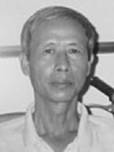
by Khe Iem (click title) Khe Iem, Vietnamese playwright, storywriter, poet,
editor. Born in 1946 in Nam About
DO VINH, the translator
of Khe Iem’s
anthology-in-progress: Do Vinh is ÿ RETURN TO CONTRIBUTORS ÿ Do Vinh An introduction to
the Vietnamese Classic Cung Oan Ngam Khuc by Nguyen Ngoc Bich Nguyen Ngoc Bich, educator, lecturer, author,
translator, born in Hanoi Vietnam, Nguyen Ngoc Bich is the author of
several books mainly in English, editor of the anthology War and Exile: A Vietnamese Anthology, an anthology of stories and poems, published by Vietnamese PEN Abroad East Coast Center in the US
(1989). His first book 'The Poetry of Vietnam' published by Asia Society of
New York in 1969 was followed by three others: North Vietnam: Backtracking on Socialism (1971), An Annotated Atlas of the
Republic of Vietnam (1972), and A Thousand Years of Vietnamese Poetry (Knopf,
1975). He co-authored with his wife, Dr. Dao Thi Hoi, a bilingual
collection of Christmas carols (1975), and had a hand in doing a photography
book by Tran Cao Linh, Vietnam, My
Country Forever (Aide à l’Enfance du Vietnam, 1988), the catalogue of a
traveling exhibition of Vietnamese and Vietnamese American paintings, An Ocean Apart (Smithsonian, 1996),
the book Thai Tuan: Selected Paintings
and Essays (VAALA, 1996). In the field of translation, he
translated into English Truong Anh Thuy’s Truong Ca Loi Me Ru / A Mother’s Lullaby published (1989), a book on
Vietnamese Architecture published (1972), two verse collections by Nguyen Chi
Thien: Hoa Dia Nguc / The Flowers of Hell (1995) and Hat Mau Tho / Blood
Seeds Become Poetry (1996), and poems by some poets living in the US. ÿ RETURN
TO CONTRIBUTORS ÿ
Nguyen Ngoc Bich Regret a poem by
Huy Can, translated by Vu Dinh Dinh (click title) Vu Dinh Dinh was born and grew up in Vietnam. Pursuing higher education he
came to the ÿ
RETURN TO CONTRIBUTORS ÿ Regret Vu
Dinh Dinh The path by Huy Tuong, translated by N.
Saomai (click title) Huy Tuong,
pseudonym Nguyen Duc Hiep, poet and translator, born
in 1942 in Duc Phu, Tam Ky. He started in the literary
community before 1975, contributed to
several literay magazines published in Saigon ÿ
RETURN TO CONTRIBUTORS ÿ The path Huy Tuong Paths
of Ants
by Kinh Duong Vuong, translated by
Pham Viem Phuong Kinh Duong Vuong,
pseudonym of Nguyen Tuan Khanh, artist, poet, and
short story writer, born in 1941, known as Rung for his painting, Dung
Nham/Co Dong for poetry, and Kinh Duong Vuong for short story. Kinh Duong
Vuong’s Chiec Mat Na Cuoi, his first collection of short stories published by
Van Moi (US) in 1997, was followed by two collections of poetry and prose:
“Dung Nham - Tho Toan Tap” / Dung Nham - The complete works of poetry (Ho Chi
Minh City: 2003, hard cover, 450 pages) and “Kinh Duong Vuong – Van Xuoi Toan
Tap”/Kinh Duong Vuong – The complete works of Prose (Ho Chi Minh City: 2003,
hard cover, 1198 pages). In the field of art, Kinh Duong Vuong is a graduate
of Hue Fine Art School, member of Vietnamese Young Artists Ass. (1966),
member of Vietnamese Association in Northwest OR. (1995), and member of
Artcore Gallery, Los Angeles (1996). His most recent exhibition was at
Nguoi Viet Daily News (CA, 2005). “Paths of Ants” is his third short-story to
be translated into English. ÿ
RETURN TO CONTRIBUTORS ÿ Kinh
Duong Vuong
starting from
logos in silence, Dalat by Nguyen
Phan Thinh Nguyen Phan Thinh, born in 1943 in Ha Nam, resettled in South Vietnam in ÿ
RETURN TO CONTRIBUTORS ÿ Nguyen
Phan Thinh Returning
to the old place by Song Thao, translated by
Thien Nhat Phuong and Rhonda Corcoran
(click title) Song Thao, pseudonym of Ta Trung Son, short story writer, born in Ha-Noi
(North Vietnam) in 1939. He began to write in early 1991. Song Thao’s
‘Returning to the old place’ translated by Thien Nhat Phuong & Rhonda
Corcoran and published in this issue is his fourth short story being
translated into English, after his Eva, The Dangling Love, and Roots
rediscovered. Song Thao’s most recent publication is Phiem 2, published by
Van Moi in 2005. This is the eighth book of the author, after Phiem 1 (Los
Angeles: Van Moi, 2005), Ben Lung Nhung Con Chu (Los Angeles: Van Moi, 2003),
Cuoi Ngay Mot Lan Ngoi Lai (Los Angeles: Van Moi, 2000), Chan Mang Giay so 6
(Los Angeles: Van Moi, 1999), Con Do Bong Hinh (collection of short-stories,
Van Moi Publisher 1997), Dong Dua Cuoc Tinh (collection of short-stories,
Ngay Nay Publisher 1996), and Bo Chon Mu Suong (collection of short-stories,
Kinh Do Publisher 1993). His works were republished in many anthologies in
USA and Canada: Viet Thuong Anthology 2000, Hai Muoi Nam Van Hoc Vietnam Hai
Ngoai 1975-1995 (Vietnamese Pen, 1995), Hai Muoi Nguoi Viet Tai Canada (Nang
Moi, 1995), and Hai Muoi Nam Van Hoc Vietnam Hai Ngoai 1975-1995 (Dai Nam,
1995). Song Thao contributed to numerous established literary magazines: Van
Hoc, Van, Hop Luu, The Ky 21, Song Van, Nang Moi, Lang Van, The Writers Post,
and Wordbridge. Thien Nhat Phuong, pseudonym of Douglas Van Dung, born in 1937 in Ha Dong, Rhonda Corcoran graduated with a Master degree in Library Science from the University
of North Carolina-Chapel Hill in 1998, and has since worked in public and
academic libraries in Utah and Washington State. Prior to attending graduate
school Rhonda Corcoran worked in various positions as a typist and also
briefly as a translator/typist in Germany with the United States Army.
She currently is a reference librarian in a public library and resides in
Tacoma, Washington with her family. Three poems by Mai Van Phan (click
title) Mai Van Phan, born in 1955 in Ninh Binh, Red River
Delta, North Vietnam, member of Vietnam Writer’s Association, winner of some
awards for poetry in the provincial and national competition. Mai Van Phan’s Giot
Nang (Sun Drop), a collection of poems
published by Hoi Van Hoc Nghe Thuat Thanh Pho Hai Phong (The Literature and
Arts Association of Hai Phong City) in 1992, was followed by Goi Xanh
(Calling Green – poetry collection. Ha Noi, Vietnam: Hoi Nha Van Vietnam /Vietnam Writer’s Association,
1995), Cau Nguyen Ban Mai (Morning Prayer – poetry collection. Hai
Phong, Vietnam: Hai Phong Publisher, 1997), Nghi Le Nhan Ten (Name
Giving Ceremony – poetry collection. Hai Phong, Vietnam: Hai Phong Publisher,
1999), Nguoi Cung Thoi (People in the same Era – epic. Hai Phong, Vietnam: Hai Phong Publisher,
1999), Vach Nuoc (Water wattle - poetry collection. Hai Phong,
Vietnam: Hai Phong Publisher, 2003). His poems also
appeared in more than 30 anthologies, including FULCRUM 3 published in the
US; in many journals published in Vietnam, including the monthly VAN of the
Vietnam Writer’s Association of Ho Chi Minh City, which is under the
editorship of Anh Duc, editorial address: 81 Tran Quoc Thao – Q.3 – TP. Ho
Chi Minh (Anh da roi, Van: Xuan Mau Dan 1998, Thanh pho Ho Chi Minh 12.1997 –
1.1998); and in the magazines and Vietnamese language websites published
abroad, including “Thi Luan” Magazine (S. Korean) and TIEN VE, an
online centre for literature and the arts, based in
Australia, http://www.tienve.org .
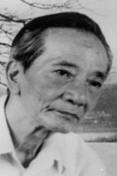
ÿ RETURN TO CONTRIBUTORS ÿ Do Xuan Oanh English literature Echoes the crane’s call of sorrow a short story by Ngo The Vinh (click title) Ngo
The Vinh, born in 1941 in Thanh Hoa, doctor,
member of the editorial staff and the editor-in-chief of Tinh-Thuong
magazine, a monthly published by the School of Medicine (Saigon University), former 81st Airborne Ranger M.D. during the Vietnam
War. His novel Vong Dai Xanh (The Green Belt), published in 1970, won the
1971 National Prize for Literature. Vong Dai Xanh 2nd edition was
published in 1987 (California: Van Nghe, 1987). This is the fourth book of
the author, after Gio Mua published in 1965, Bong Dem 1964, and May Bao 1963.
Vong Dai Xanh is followed by his fifth ‘Mat Tran O Saigon’ published by Van
Nghe Publisher in 1996 in the US, a collection of 12 short stories, half of
which was written before 1975 in Vietnam, the other half written abroad after
1975, and of which the best-known is the short story ‘Mat tran o Saigon’. His most recent
books are Cuu Long Can Giong Bien Dong Day Song (also published by Van Nghe
Publisher. California: 2000), The Green Belt, a translation version of Vong
Dai Xanh translated by Nha Trang and William L. Pensinger (Raleigh, NC: Ivy
House Publishing Group, 2004), and ‘The Battle of Saigon’, translation
version of ‘Mat tran o Saigon’ published by Xlibris. He lives in California. ÿ RETURN TO CONTRIBUTORS ÿ Ngo The Vinh Magnolia by Hong Khac
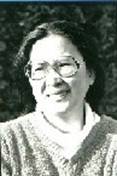
Kim Mai (Click title for the story)
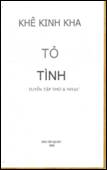
ÿ RETURN TO CONTRIBUTORS ÿ Magnolia Hong Khac Kim Mai let it be, my love by Khe Kinh Kha (click title) Khe Kinh Kha, writer and musician, author of Que huong trong noi nho,
Luu vong ca (music, 1980), Di chuc cho con (music, 2005). Khe Kinh Kha’s
debut poetry collection To Tinh (Limited edition distributed to friends. NJ:
Thu An Quan, 2006) includes 66 poems and 14 songs, of which a number of poems
was already published in literary magazines in Vietnam before 1975. ÿ RETURN TO CONTRIBUTORS ÿ let it be, my love The purple roses by Thuhuong (click title) Thuhuong, pseudonym of Nicole Thuhuong
Barry, who was a middle-shool ÿ RETURN TO CONTRIBUTORS ÿ Thuhuong Like a yellow leaf by Yen Tram (click title) Yen Tram, pseudonym
of Phan Thi Tot, who was a teacher at Ngo Quyen High School, Bien Hoa, South
Vietnam. She received her B.A. in Education from Saigon University, and her
Certificate in Teaching English as a Foreign Language from SEAMEC Regional
English Language Center in Singapore. Fifteen years after South Vietnam fell
to the Communists in 1975, she came to the United States in 1990, settled
with her family in Washington State. She made her mark while a high school
student as young writer when contributing, from 1954 to 1955, her early poems
and stories to the Saigon-based newspaper Buoi Sang, which was then under the
editorship of Tam-Moc. ‘Like a yellow leaf’ is her first appearance in The
Writers Post. ÿ RETURN TO CONTRIBUTORS ÿ Like a
yellow leaf Yen Tram PRESS
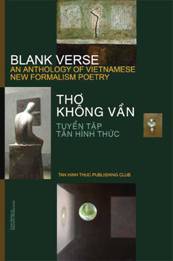
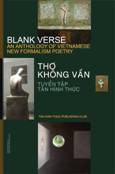
RELEASES & UPCOMING EVENTS: BLANK VERSE, an
anthology of Vietnamese new formalism poetry to be published soon by Tan Hinh
Thuc Publishing Club. More
information about the book is available at: http://www.thotanhinhthuc.org THE WRITERS POST
IS PLEASED TO INTRODUCE a new book by her regular contributor Khe-Iem
of VIETNAMESE NEW
FORMALISM POETRY anthologized by KHE IEM, to be published by Tan Hinh Thuc Publishing Club this May 2006. Introduction by Dang Tien Trade Paper, ISBN: 0-9778742-0-6, $20.00 500 pages. About the anthologist: Khe
Iem, playwright, storywriter, poet, and editor. Born in 1946 in Nam Dinh,
North Vietnam, he went into immigration in South Vietnam after the 1954
Geneve agreement divided Vietnam into two separate parts. “Hot Huyet”, his
debut literary work, a play, appeared in South Vietnam in 1972. Thirteen
years after the Communist conquest of South Vietnam in 1975, he escaped
Vietnam by boat in 1988, spending a year in a refugee camp in Malaysia before
coming to the United States in 1989, where he settled in California. In 1994,
he founded Tap Chi Tho, a very successful poetry magazine which is under his
editorship until 2004. He also published his other books: “Thanh Xuan” (poetry. US, California: Van, 1992), “Loi
cua qua khu” (story collection. US, California: Van Moi, 1996), “Dau Que
(poetry collection. US, California: Van Moi, 1996), “Tan Hinh Thuc, Tu Khuc
va nhung tieu luan khac” (literary essay. US, California: Van Moi, 2003). ). In 2005, he founded the Website Tho Tan Hinh Thuc
supporting Post Modernism and New Formalism Poetry, and has in preparation an
anthology of New Formalism Poetry, which is intended for at least a hundred
and eighty poems by sixty poets, and of which at least sixty of the poems are
English translations. (In the essay “Contemporary Vietnamese Poetry: On the
Path of Transformation” which is his presentation given at the 2004 annual
meeting held by the Association for Asian Studies (AAS) in 2004 in San Diego,
California, Khe Iem discussed on how and why Vietnamese poetry transformed,
and will transform, in his belief, into New Formalism Poetry). The anthology,
which lends support to his belief and finds its own level to reflect some
degree of truth in the Vietnamese new poetry movement, will be published
bilingually this forthcoming May, 2006 by Tan Hinh Thuc Publishing Club. More
information about the book is available at: http://www.thotanhinhthuc.org A
DIRECTORY OF VIETNAMESE POETS AND WRITERS IN
THE OVERSEAS: Vietnamese Poets And Writers Abroad LISTINGS
ranging from
little-known to famous, compiled and listed by Luan Hoan. The listings are
edited, rewritten in English, and given added information to where needs be,
by The Writers Post. Also, new listings may be added by the The Writers Post.
We apologise for any deficiency, to the reader, and
to any poet or writer whose name is not in the list as information is not
available.
[ Click here for their listings in the full list
]
Contact: N. Saomai, Editor, The Writers Post |
Published authors and artists featured in The Writers Post current issue: About the translators VIETNAMESE
POETS AND WRITERS ABROAD.
The listings provide information on
Vietnamese Poets and Writers living Abroad (click
here). TWP BIOGRAPHICAL DATABASE Photographs,
and factual information on contributing authors (Click here for TWP
BIOGRAPHICAL DATABASE A
Note On Submissions ... Any essay, review containing libel, invasion of
privacy, obscenity, substantial disruption will not be accepted. As always, translations
and poems will not be edited. The author/ translator should check the
work for typing errors before submitting. On the work(s) published in The
Writers Post the author/ translator owns the copyright. The publisher may
contact the author/ translator if interested in featuring the work(s) into
print publication. (See
a note on submissions). THE WRITERS POST Anthology -- Fiction, Poetry from current, and previous issues – Click here FEATURED: ·PRESS RELEASES & UPCOMING EVENTS:
An anthology of VIETNAMESE NEW FORMALISM POETRY anthologized by Khe Iem, Introduction by Dang Tien ISBN: 0-9778742-0-6 500 pages; 21cm. Language: Vietnamese and English paper/ US: $20.00 (CA: Tan Hinh Thuc Publishing Club,
2006) Contact information: Contact the publisher at: P.O. Box 1745 Garden Grove, CA 92842 Click here for
more information ·TITLES RECEIVED Note: Titles here in this page presented, or in the issues mentioned, are
not intended to be ordered through this website. New titles are added at the
top of this section; the older ones slide down the column with Cover Art
removed. Titles received in this year, but published in previous years are
added accordingly among the others published in the same year (some
exceptions may be made for books published in Vietnam). Khe Kinh
Kha’s TO TINH
A collection of poems and songs by Khe Kinh Kha, writer and musician, author of
Que huong trong noi nho, Luu vong ca (music, 1980), Di chuc cho con (music,
2005). Khe Kinh Kha’s debut poetry collection To Tinh includes 66 poems and
14 songs, of which a number of poems was already published in literary magazines
in Vietnam before 1975, dating from 1966. To Tinh Collection of poems and songs 154 pages; 21cm. Language: Vietnamese paper/ US: No Price Given Limited edition distributed to friends. (NJ: Thu An Quan, 2006) Contact information: P.O. Box 58 S. bound Brook, NJ 08880 E-mail: tranhoaithu@yahoo.com Tl
# (908) 769-1718 A
novel by Uyen Nicole Duong, author of Mui Huong Que (Mui Huong Que was published
under her real name Duong Nhu Nguyen), is released by RavensYard Publishing, Ltd. The book is available online from RavensYard,
Amazon.com, and Barnes and Nobles. Daughters of the River Huong ISBN 1-928928-16-1 271 pages; 21cm. Language: English Trade
paperback; SRP $ 17.95 Contact information: Contact the publisher at: info@ravensyard.com CHIN CHU
CUA NANG A
novel by Uyen Nicole Duong, author of Mui Huong Que (Mui Huong Que was published
under her real name Duong Nhu Nguyen). Chin Chu Cua Nang ISBN 271 pages; 21cm. Language: Vietnamese paper/ US: $14.00 (CA: Van Moi, 2004) Contact: Van Moi Publisher P.O. Box 287 Gardena, CA 90248 E-mail:
Kimanquan@yahoo.com GREEN
PLUMS A
collection of poems in English and Vietnamese by
Do Vinh. Green Plums 143 p.; 21cm. Language: English and Vietnamese No
price or publisher given Contact: Joseph Dovinh: 12519 Larkin Drive Bakersfield, California 93312 TAC GIA, VOI CHUNG TA by Le Quynh Mai. A compilation of interviews with
author conducted by Le Quynh Mai, who is in charge of the Literature and
Art Programme on ‘Tieng Noi Viet Nam’ Radio (103.3 FM), Montreal, Canada, and
a contributor providing literature and art news to the readers of Hop Luu
magazine. Tac gia, voi chung ta 334 p.; 21cm. Language: Vietnamese Cover Art by Khanh Truong paper/ US: $18.00 US/ CAN: $20.00 CAN (CAN: Khoi Nguyen, 2004) Contact: Khoi Nguyen 6567 Ernest Lavigne Montréal P.Q LUAN HOAN, MOT DOI THO by Le Han A compilation of writings about poet Luan Hoan by 154 writers and acquaintances,
ranging from articles, interviews, and poems dedicated to the poet. The book
also contains Luan Hoan’s family pictures, and drawings by friends and
artists. Compiled by Le Han. Luan Hoan, mot doi tho Cover: Luan Hoan’s portrait by Dinh
Cuong. Layout by Le Han Copy editor: Doan Phe Binding: Central Perfect Bindery,
Toronto 604p, 21cm Language: Vietnamese (CAN: Song Thu, 2004) No price given. THE BATTLE
OF SAIGON A
translation version of the short -story collection ‘Mat tran o Saigon’ by Ngo
The Vinh, author of The Green Belt, published by XLibris. “The Battle of Saigon presents war and post war traumatic
experience and dreams from the perspective of Vietnam Diaspora” The battle of Saigon Jacket design by Khanh Truong Jacket photographs © by Tim Page 200 p.; 21cm. Language: English Hardcover
ISBN 1-4134-6377-0 Softcover ISBN 1-4134-6376-2 (US: Xlibris Corporation, 2005) Contact: Xlibris Corporation 1-888-795-4274 Orders@Xlibris.com O CUA By Tran
Hoai Thu O Cua - The complete poetry works of
Tran Hoai Thu (Some published poems are revised) Poetry—374p.; 21cm. Language: Vietnamese Cover Art by Than Trong Minh Design & Layout: Tran Hoai Thu paper/ US: No Price Given (NJ: Thu An Quan, 2004) Contact: Tran Hoai Thu P.O. Box 58 S. bound Brook, NJ 08880 E-mail: tranhoaithu@yahoo.com Tl
# (908) 769-1718 DAU AN by
Nguyen Thi Thanh Binh, author of ‘O doi song nay’ (short story, 1989),
Giot le xe hai (novel, 1991), Cuoi dem dai (short story, 1993), Tron vao giac
mo em (poetry, 1997). Dau
an A collection of published short
stories. 325p.; 21cm. Language: Vietnamese Cover Art by Dinh Cuong Design: Cao Hoang paper/ US: $14.00 (CA: Van Moi, 2004) Contact: Van Moi Publisher P.O. Box 287 Gardena, CA 90248 E-mail: Kimanquan@yahoo.com VAN XUOI
TOAN TAP by Kinh Duong Vuong The complete prose works of Kinh Duong
Vuong. Van
xuoi toan tap 1198p.; 21cm. Language: Vietnamese Cover Art by Rung Hardcover/ No price given (Saigon: 2004) DUNG NHAM,
THO TOAN TAP by Dung Nham The complete poetry works of Dung
Nham. Dung
Nham, tho toan tap 450p.; 21cm. Language: Vietnamese Cover Art by Rung paper/ No price given (Saigon: 2004) VACH NUOC by Mai Van Phan author of Giot Nang (Sun Drop), Goi Xanh (Calling Green ), Cau Nguyen Ban
Mai (Morning Prayer), Nghi Le Nhan Ten
(Name Giving), Nguoi Cung Thoi (People in the same Era). Vach
nuoc Poetry—83p.; 21cm. Language: Vietnamese Layout: T&P Design Responsibility for publishing: Pham
Nga Copy editor: Nguyen Anh Nguyet Hardcover/ VN: VN$25,000.00 (Vietnam: 2003) Contact: Mai Van Phan 12/56 Cat Cut Hai
Phong, VIETNAM E-mail: maivanphan@hn.vnn.vn LUC BAT HOANG XUAN SON by Hoang Xuan Son author of 3 poetry collections. Luc Bat Hoang Xuan Son Poetry—166p.; 21cm. Language: Vietnamese Cover Art by Hoang Xuan Son Design: Pham Van Nhan Prologue by Cao Vi Khanh Illustrated Art by Tran Quy Thoai paper/ US: $15.00 (NJ: Thu An Quan, 2004) Contact: Hoang Xuan Son #38,
14 street Roxboro
Quebec H8Y 1M6 - Canada E-mail: son_hoang42@yahoo.com Interested
readers CLICK HERE
to read Luc Bat Hoang Xuan Son. LAM CHUONG, TRUYEN VA NHUNG DOAN VAN By Lam Chuong. Lam Chuong, Truyen Va Nhung Doan Van Story, Essay—219p.; 21cm. Language: Vietnamese Cover Art by Khanh Truong Design: Son Ca paper/ US: $12.00 (CA: Van Moi, 2004) Contact: Van Moi Publisher P.O. Box 287 Gardena, CA 90248 HUONG MUA A poetry collection by Song Vinh, author of Ve Duoi Hien Xua (2000 Huong Mua , a poetry collection collected
106 poems the author recently composed, prologues by Nguyen Dong Giang, Thai
Thuy Vi, Thao Nguyen, and Luan Hoan. Some poems are set to music by Phan Ni
Tan (ND), Pham Anh Dung, and Mai Duc Vinh. Cover art by Hoang Vi Kha. paper/ 130 pp – 21cm. (Printed at Andrew Printing Co.) Contact: SONG VINH 107
Bromfield way Tel: (919)
301-5129 E-mail:
song_vinh@hotmail.com THE GREEN BELT by Ngo The Vinh translated into English by Nha Trang & William L. Pensinger co-authors of the novel The Green Belt was published by Ivy House Publishing, Hard Cover, $ 23.95, 256 Pages (US: Ivy House Publishing, 2004) For more info on The Green Belt, visit CHE TAO THO CA by Phan Nhien Hao Author of Thien Duong Chuong Giay Che Tao Tho Ca Collection of Poems—94p.; 23cm. Language: Vietnamese Cover Design by Nguyen Danh Bang paper/ US: $15.00 (CA: Van, 2004) Contact: Tu Luc Distributor: www.tuluc.com Tu
Luc Bookstore 14318
Brookhurst St Garden
Grove, CA 92843 BAT NHA CA By Tu Hoa Author of Nhap Phap Gioi Luoc Giai Bat Nha Ca Poetry—70p.; 21cm. Language: Vietnamese paper/ US: $10.00 (PA: Ban Tu Thu Tu Hoa, 2004) Contact: Ban Tu Thu Tu Hoa Dauxua756@aol.com NGHI VE VAN HOC HAI NGOAI By Nguyen Mong Giac, Author of 10 books. Nghi ve Van hoc Hai Ngoai Essay—253p.; 21cm. Language: Vietnamese Cover Art by Nguyen Dong and Nguyen
Thi Hop paper/ US: $13.00 (CA: Van Moi, 2004) Contact: Van Moi Publisher P.O. Box 287 Gardena, CA 90248 SONG VOI CHU By Nguyen Hung Quoc Author of 8 books Song Voi Chu (Living with Words) Essay on language and
literature—202p.; 21cm. Language: Vietnamese Cover Art by Nguyen Hung Author’s photo Credit: Pham Huu Khanh
(Saigon: 12, 2002) paper/ US: $12.00 (CA: Van Moi & Tien Ve Online
Centre for Arts, 2004) Contact: Van Moi Publisher P.O. Box 287 Gardena, CA 90248 THAP TA By To Thuy Yen Thap Ta Second poetry collection of the author 140p.; 21cm. (Published by the author, under An
Tiem Publisher’ name, 2004) paper/ US: $16.00 Contact: Mrs. Huynh Dieu Bich VAN HOC VIET NAM THE KY 20 MOT SO HIEN TUONG VA THE LOAI By Nguyen Vy Khanh Author of 5 books. Van Hoc Viet Nam The Ky 20 Mot
so hien tuong va the loai Research—663p.; 21cm. Language: Vietnamese Cover Art by Justin Nguyen paper/ US: $22.00 (CA: Dai Nam, 2004) VAN HOA, GIOI TINH VA VAN HOC By Nguyen Hoang Van Van Hoa, Gioi Tinh va Van Hoc Essay—265p.; 21cm. Language: Vietnamese Cover Art by Hoang Ngoc Dieu paper/ US: $14.00 (CA: Van Moi, 2004) Contact: Van Moi Publisher P.O. Box 287 Gardena, CA 90248 CHU DUOI CHAN TUONG By Nguyen Vien Author of 6 books. Chu duoi chan tuong Story—204p.; 21cm. Language: Vietnamese paper/ US: $12.00 (CA: Van Moi, 2004) Contact: Van Moi Publisher P.O. Box 287 Gardena, CA 90248 TUOI 20 YEU DAU By Nguyen Huy Thiep Tuoi 20 yeu dau Novel—193p.; 21cm. Language: Vietnamese Cover Art by Nguyen Trong Khoi paper/ US: $12.00 (CA: Van Moi, 2004) Contact: Van Moi Publisher P.O. Box 287 Gardena, CA 90248 MAU HE By Tran Yen Hoa Author of 5 books. Mau He Novel—412p.; 21cm. Language: Vietnamese Cover Art by Ho Thanh Duc paper/ US: $15.00 (CA: The Ky, 2004) Contact: Tran
Yen Hoa. 14272
Hoover St #95 Westminster, CA 92683. Phone: 714-636-2390 714-623-2642 AO GAM VE LANG By Tran Yen Hoa Author of 5 books. Ao Gam Ve Lang Collection of stories—295p.; 21cm. Language: Vietnamese Cover Art by Ho Thanh Duc paper/ US: $15.00 (CA: The Ky, 2004) Contact: Tran
Yen Hoa. 14272
Hoover St #95 Westminster, CA 92683. Phone: 714-636-2390 714-623-2642 BEN LUNG NHUNG CON CHU By Song Thao Author of six books. Ben Lung Nhung Con Chu Collection of short stories—218p;
21cm. Language: Vietnamese paper/ US: $12.00 (CA: Van Moi, 2003) Contact: Van Moi Publisher P.O. Box 287 Gardena, CA 90248 MADE IN VIETNAM By Thuan Made in Vietnam Collection of short stories—192p;
21cm. Language: Vietnamese paper/ US: $12.00 (CA: Van Moi, 2003) Contact: Van Moi Publisher P.O. Box 287 Gardena, CA 90248 THUONG NHO HOANG LAN By Tran Thuy Mai Thuong Nho Hoang Lan Collection of short stories—240p; 21cm. Language: Vietnamese paper/ US: $12.00 (CA: Van Moi, 2003) Contact: Van Moi Publisher P.O. Box 287 Gardena, CA 90248 TINH THOM MAY NHANH By Le Han Tinh Thom May Nhanh Collection of Poems—177p.; 21cm. Language: Vietnamese Cover Art by Dinh Cuong paper/ US: No price given (CA: No publisher given, 2003) Contact: leh@aecl.ca lehan3359ca@yahoo.com MAY SONG CUNG LOI By Hoang Chinh Author of 4 books. May Song Cung Loi Novel—285p.; 21cm. Language: Vietnamese Cover Art: Thieu Nu by Vi Vi paper/ US: $13.00 (CA: Van Moi, 2003) Contact: Van Moi Publisher P.O. Box 287 Gardena, CA 90248 PATERSON LITERARY REVIEW Literary Journal Issue 32 Editor: Maria Mazziotti Gillan Paternson Literary Review A multicultural literary journal, established
in 1979, Issue 32 contents includes: poetry, translations, prose, fiction,
memoir, essay, reviews. 354 p.; 23cm. Language: English paper/ US: $10.00 Contact: Maria Mazziotti Gillan, Editor Paterson
Literary Review 1 College Boulevard Paterson, NJ, 07505-1179 USA LUU DAN THI THOAI
A Selected Works of Stray Immigrants’
Poetry Critique By Dien Nghi & Song Nhi. · Literary essay and constructive
criticism. Luu Dan Thi
Thoai, critique—585p.; 21cm. Language: Vietnamese paper/ US: $20.00 (CA: Coi Nguon, April 2003) Contact: CSTV Coi Nguon C/o Song Nhi 322 Ryegate Court, San Jose, CA 95133 USA Tel: (408) 729-8352 Fax: (408) 258-0142 E-mail: songnhi_2000@yahoo.com Or : songnhi2000@hotmail.com SONG NUI CUNG NGUOI THOM NGAT THO
By Luan Hoan Author of 18 poetry collections. His
17th collection is Co Hoa Goi Dau, published by Song Van in 1997. Song nui cung nguoi thom ngat tho Poetry — 138p.; 21cm. paper/ US: 10$.00 Language: Vietnamese (CAN: Tho, 2003) Contact: Le Ngoc Chau 11351 ARMAND LA VERGNE Montréal Nord PQ
H1H-5W3 CANADA Tel: (514) 325-6409 E-mail: luanhoan@videotron.ca TIENG HON CHIEN MA by Song Nhi Author of 5 poetry collections.
Editor of 10 anthologies of verse and prose. Tieng hon chien
ma, poetry—200p.; 21cm. Language: Vietnamese $12.00 paper/ US (CA: Coi Nguon, April 2003) Contact: CSTV Coi Nguon 322 Ryegate Court, San Jose, CA 95133 USA Tel: (408) 729-8352 Fax: (408) 258-0142 E-mail: songnhi_2000@yahoo.com Or : songnhi2000@hotmail.com TRAM NAM DE LAI By Tran Van Le Author of 5 poetry collections. Tram nam de lai poetry—195p.; 21cm. Language: Vietnamese paper/ US (no price
informed) (CA: Nguoi Thuong, 2005) Contact: Tran Van Le 1121
1/2 Alpine St. Los Angeles, CA 90012 USA (Note: The book’s cover
informs that TNDL is published in 2005. The Writers Post, however, receives
TNDL in May 2003) THU QUAN BAN
THAO, Issue 11 - 2003
A collection of literary works and the arts, unpredictably published series, (NJ: Thu An Quan, 2002) P.O. Box 58 S. Bound Brook, NJ. 08880 THIEN NHAT
PHUONG & TRAN LE
KHANH’s Tributes to mother on her way
home via pacific ocean, the translation version of Me Ve Bien Dong by Du Tu Le. Poetry -- 168p.; 21cm -- Second
edition. (CA: HT Productions, 2002) TRINH Y THU’s Doi Nhe Khon Kham, the translation of a novel by Milan
Kundera 347p.; 21cm. Van Hoc
[CA: Van Hoc, 2002]. $15.00 paper/ US $17.00 paper/ outside US Contact:
TRINH Y THU 22
Agostino Irvine, CA
92614 email:
trinhythu@aol.com HOANG DU THUY’s Hanh phuc nhuong, collection of short stories—206p.;
21cm. $10.00 paper. (Canada: Lang Van, 2002) LANG VAN: PO. Box 218 Station "U", Toronto, Ontario M8Z 5P1 Canada THO THO’s Phong trien lam mua dong, collection of short stories—194p.;
21cm. $12.00 paper/ US (CA: Van Moi, 2002) Contact: Van Moi Publisher P.O. Box 287 Gardena, CA 90248 Note: Titles in this page presented, or in the issues
mentioned, are not intended to be ordered through this website.
|
|
Copyright
©
The Writers Post
1999. Nothing in this website may be downloaded, distributed, or reproduced without the permission of the author/ translator/ artist/ and The Writers Post. Creating links to place The Writers Post or any of its pages within other framesets or in other documents is copyright violation, and is not permitted. ISSN 1527-5469
– US-based, founded 1999. Founder
& Editor: N. Saomai
|
|